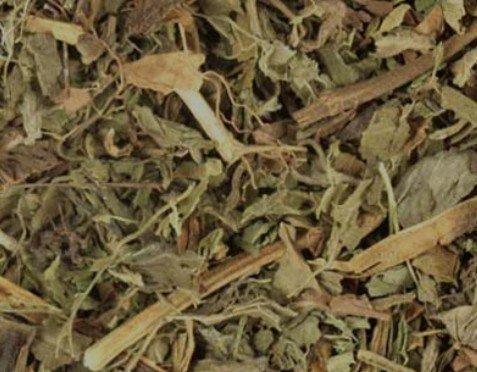
Stevia (Stevia rebaudiana) is best known as a very sweet, low- or no-calorie sugar substitute. One important distinction: commercial high-purity steviol glycosides have a stronger safety basis than using whole stevia leaf or crude extracts as a sweetener. The FDA has not objected to the use of qualifying high-purity steviol glycosides, while whole-leaf and crude stevia extracts are not considered GRAS for sweetener use in the U.S.
🌿 Potential Benefits of Stevia
⚠️ Cautions & Safety
Digestive upset: Some people report abdominal fullness, stomach discomfort, or other gastrointestinal symptoms. Also check the ingredient list: tabletop stevia products frequently contain other ingredients, so a reaction may not necessarily be caused by stevia itself.
Diabetes medications: Because stevia has been studied for possible effects on glucose regulation, people taking blood-sugar-lowering medication should monitor their glucose and discuss concentrated or supplemental use with their healthcare professional rather than using stevia medicinally on their own. Evidence for a clinically meaningful glucose-lowering effect remains mixed.
Blood-pressure medications: Similar caution makes sense for people taking antihypertensive medication, especially with concentrated stevia preparations, because some research suggests steviol glycosides may modestly lower blood pressure.
Whole leaf vs. purified extract: This is particularly important for an herbal apothecary. Whole stevia leaf, crude stevia extract, and purified steviol glycosides should not be treated as interchangeable products. In the U.S., the FDA's favorable safety position as sweeteners applies to certain highly purified steviol glycosides—not whole-leaf or crude stevia extracts.
Amount: JECFA's acceptable daily intake for steviol glycosides is 4 mg/kg body weight per day expressed as steviol equivalents. The FDA gives an example that a 132-lb (60-kg) adult would need about 27 packets of Reb A sweetener per day to reach that ADI under its assumptions.

Reviews
There are no reviews yet.