Description
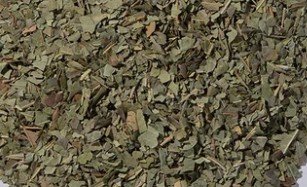
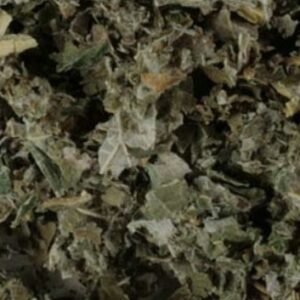
Neem leaf (Azadirachta indica) has been used for centuries in traditional systems such as Ayurveda. While laboratory and some clinical studies suggest potential benefits, more high-quality human research is needed for many uses.
Potential Benefits of Neem Leaf
Immune Support
- Contains antioxidants that help protect cells from oxidative stress.
- Traditionally used to support the body's natural immune defenses.
Skin Health
- May help soothe irritated skin.
- Traditionally used for acne, eczema, minor wounds, and itchy skin.
- Often found in soaps, creams, and herbal skin washes.
Antimicrobial Properties
- Shows antibacterial, antifungal, and antiviral activity in laboratory studies.
- Traditionally used as a mouth rinse and skin cleanser.
Oral Health
- May help reduce plaque buildup.
- Can support healthy gums.
- Neem twigs have traditionally been used as natural toothbrushes.
Blood Sugar Support
- Some studies suggest neem may help support healthy blood sugar levels.
- It should not replace prescribed diabetes medications.
Anti-Inflammatory Effects
- May help reduce inflammation.
- Traditionally used for joint discomfort and inflammatory skin conditions.
Digestive Health
- Traditionally used to support digestion.
- Sometimes used for intestinal parasites in traditional medicine, although evidence in humans is limited.
Liver Support
- Animal studies suggest antioxidant compounds may help protect the liver.
- More human research is needed.
Insect Repellent
- While the leaves themselves are less commonly used than neem oil, they have traditionally been placed in stored grains and clothing to repel insects.
Active Compounds
Neem leaves contain:
- Nimbin
- Nimbidin
- Nimbolide
- Quercetin
- Flavonoids
- Polyphenols
- Tannins
These compounds contribute to many of neem's biological activities.
Cautions and Safety
Pregnancy
Do not use medicinal amounts during pregnancy.
- Neem may stimulate the uterus.
- It has traditionally been associated with miscarriage risk.
- Avoid internal use.
Breastfeeding
- There is not enough reliable safety information.
- Avoid medicinal doses unless advised by a healthcare professional.
Diabetes
- Neem may lower blood sugar.
- If you take insulin or diabetes medications, monitor blood sugar closely and consult your healthcare provider.
Autoimmune Diseases
Neem may stimulate immune activity. People with conditions such as:
- Multiple sclerosis (MS)
- Lupus
- Rheumatoid arthritis
- Hashimoto's thyroiditis
should speak with their healthcare provider before using neem medicinally.
Surgery
Neem may affect blood sugar control. Stop taking neem at least 2 weeks before surgery, unless your surgeon advises otherwise.
Fertility
Some animal studies suggest neem may reduce fertility. The effects in humans are not well established, so people trying to conceive may wish to avoid medicinal doses.
Children
- Neem leaves used externally are generally considered lower risk.
- Internal use of concentrated neem products is not recommended without medical supervision.
- Neem oil, in particular, has caused serious poisoning in young children and should be kept out of their reach.
Liver and Kidney Disease
Although neem has been studied for potential protective effects, concentrated supplements may not be appropriate for people with existing liver or kidney disease without medical guidance.
Possible Side Effects
Most commonly reported:
- Upset stomach
- Nausea
- Bitter taste
- Diarrhea (especially in larger doses)
Rare but serious:
- Allergic reactions
- Excessively low blood sugar
- Liver injury (rare, mostly associated with concentrated extracts)
Drug Interactions
Neem may interact with:
- Diabetes medications (may increase the risk of low blood sugar)
- Immunosuppressant medications
- Medications that affect liver function
Typical Traditional Uses
- Herbal tea
- Capsules
- Powder
- Tinctures
- Mouth rinses
- Skin washes
- Poultices
- Bath soaks
Typical Traditional Tea Preparation
- 1–2 teaspoons dried neem leaf
- 8 ounces (240 mL) hot water
- Steep for 5–10 minutes
Neem tea is very bitter, so it is often blended with herbs such as peppermint, lemongrass, or tulsi (holy basil).
Summary
Potential Benefits Important Cautions Supports skin health Avoid during pregnancy Antioxidant activity May lower blood sugar Antimicrobial properties Use caution with autoimmune diseases Supports oral health Stop before surgery May reduce inflammation May affect fertility Traditional digestive support Avoid concentrated internal use in children

Reviews
There are no reviews yet.