Description
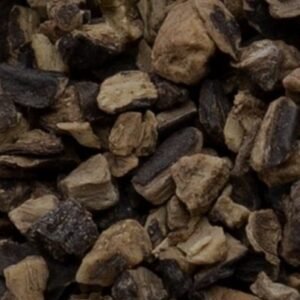
Kava kava is a traditional plant from the South Pacific. The root is commonly used to make teas, tinctures, capsules, and extracts. It is best known for its calming and relaxing effects.
Benefits of Kava Kava
1. Promotes Relaxation
- May help calm nervous tension without causing heavy sedation.
- Often used to support relaxation after stressful days.
2. Supports Occasional Anxiety Relief
- Research suggests kava may help reduce symptoms of mild to moderate anxiety.
- Some studies have found it effective for short-term anxiety support.
3. May Improve Sleep Quality
- Can help individuals who struggle with sleep due to stress or racing thoughts.
- May promote more restful sleep without the "hangover" feeling some sleep aids cause.
4. Muscle Relaxation
- Traditionally used to ease muscle tension and promote physical relaxation.
5. Mood Support
- May help encourage a sense of well-being and emotional balance.
6. Social Relaxation
- Traditionally consumed during ceremonies and social gatherings to promote calm, sociable interactions.
Active Compounds
Kava contains compounds called kavalactones, which are believed to be responsible for its calming and relaxing properties.
Cautions and Safety Considerations
1. Liver Concerns
- Kava has been associated with rare but serious liver injury in some individuals.
- Avoid if you have:
- Liver disease
- A history of liver problems
- Heavy alcohol use
- Discontinue use and seek medical attention if you experience:
- Yellowing skin or eyes
- Dark urine
- Severe fatigue
- Abdominal pain
2. Drowsiness
- May cause sleepiness or slowed reaction times.
- Avoid driving or operating machinery after use.
3. Alcohol Interaction
- Do not combine with alcohol.
- Combining may increase the risk of liver stress and excessive sedation.
4. Medication Interactions
Consult a healthcare professional before use if taking:
- Anti-anxiety medications
- Antidepressants
- Sleep medications
- Antipsychotic medications
- Anti-seizure medications
- Medications metabolized by the liver
5. Pregnancy and Breastfeeding
- Not recommended during pregnancy or while breastfeeding due to insufficient safety data.
6. Long-Term Heavy Use
Excessive long-term use has been associated with:
- Dry, flaky skin ("kava dermopathy")
- Weight loss
- Eye irritation
- Reduced appetite
7. Parkinson's Disease
- May worsen symptoms in some individuals with Parkinson's disease.
Traditional Herbal Use
In Pacific Island traditions, kava root was prepared as a ceremonial beverage to:
- Promote peace and social harmony
- Reduce tension
- Encourage communication
- Support spiritual and community gatherings
Typical Adult Use
Common supplemental doses provide:
- 60–250 mg of kavalactones daily, depending on the product and intended use.
Always follow the manufacturer's directions, as kava extracts vary considerably in strength.
Safety Snapshot for Herbal Classes
Primary Actions: Relaxant, anxiolytic, mild sedative, muscle relaxant Common Uses: Stress, occasional anxiety, tension, sleep support Avoid If: Pregnant, breastfeeding, liver disease, heavy alcohol use Possible Side Effects: Drowsiness, dizziness, headache, digestive upset Major Concern: Rare but potentially serious liver toxicity
For your herbal classes, it's important to emphasize that kava is generally considered a short-term relaxation herb and should be sourced from reputable suppliers that use properly prepared root material rather than leaves or stems, which may carry greater safety concerns.

Reviews
There are no reviews yet.