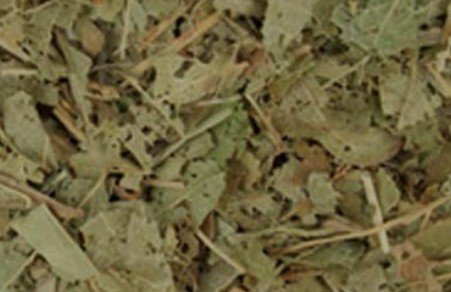
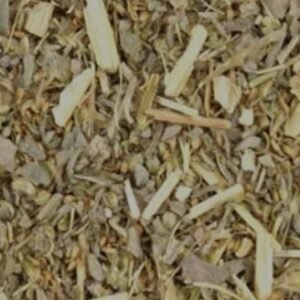
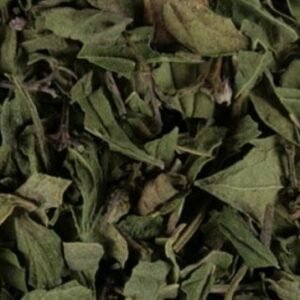
Bilberry leaf has a long history of traditional use in European herbalism. While the berries are more commonly used today, the leaves contain tannins, flavonoids, and other plant compounds that have been valued in traditional herbal preparations.
Potential Benefits of Bilberry Leaf
1. Supports Healthy Blood Sugar Balance
Traditionally, bilberry leaf tea was used to help support normal blood sugar levels. Some research suggests compounds in the leaves may influence glucose metabolism, though more human studies are needed.
2. Rich in Antioxidants
Bilberry leaves contain flavonoids and phenolic compounds that help protect cells from oxidative stress caused by free radicals.
3. Astringent Properties
The tannins in bilberry leaf provide an astringent effect, which has traditionally been used to support digestive health and occasional diarrhea.
4. Urinary Tract Support
Traditional herbalists have used bilberry leaf in teas to support urinary tract wellness and healthy kidney function.
5. Circulatory Support
The leaf contains compounds that may help support healthy circulation and blood vessel integrity, although the berry has been studied much more extensively for this purpose.
6. Anti-Inflammatory Effects
Some constituents may help support the body's normal inflammatory response.
Traditional Uses
Cautions and Safety
Avoid During Pregnancy and Breastfeeding
There is insufficient reliable safety information regarding bilberry leaf use during pregnancy or lactation.
Blood Sugar Considerations
Because bilberry leaf may influence blood sugar levels, individuals with diabetes or hypoglycemia should monitor glucose carefully and consult a healthcare professional before use.
Possible Medication Interactions
Use caution if taking:
Bilberry leaf may enhance the effects of blood sugar-lowering therapies.
High Tannin Content
Large amounts or prolonged use may cause:
Long-Term Use
Extended use of large quantities is generally not recommended due to the high tannin content and lack of long-term safety data.
Allergic Reactions
Rare, but possible in sensitive individuals, particularly those with allergies to plants in the Ericaceae family.
Herbal Tea Preparation
Bilberry Leaf Tea
Traditionally consumed 1–3 times daily for short periods.
Safety Snapshot
Botanical Name: Vaccinium myrtillus Part Used: Leaf Energetics: Cooling, drying, astringent Main Constituents: Tannins, flavonoids, phenolic acids Traditional Uses: Blood sugar support, digestive support, urinary support, antioxidant support Avoid: Pregnancy, breastfeeding, and long-term high-dose use Potential Interactions: Diabetes medications, insulin, blood pressure medications
For educational herbalism purposes, bilberry leaf is generally considered a stronger astringent herb than bilberry fruit and is usually used more cautiously and for shorter durations.
Reviews
There are no reviews yet.