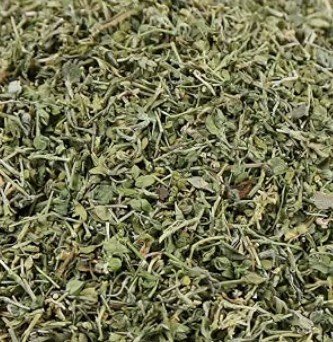
Botanical Name
Euphrasia officinalis
Common Names
Traditional Benefits of Eyebright
Eyebright has a long history in European herbal traditions, particularly for supporting eye health.
1. Eye Comfort and Support
Traditionally used to help:
2. Respiratory Support
Eyebright has traditionally been used in teas and tinctures to support:
3. Astringent Properties
Eyebright contains tannins that may help:
4. Antioxidant Content
Contains plant compounds such as:
These compounds contribute to its traditional use as a soothing herb.
Traditional Preparations
Tea
Tincture
Traditionally used according to product directions.
Compress
A cooled tea may be applied externally as a compress around closed eyes (not directly into the eye).
Cautions and Safety
Avoid Putting Homemade Preparations Directly Into the Eye
This is one of the most important cautions.
Homemade teas, tinctures, or infusions are not sterile and can introduce bacteria, fungi, or particles into the eye, potentially causing serious irritation or infection.
Pregnancy and Breastfeeding
There is insufficient reliable safety information regarding medicinal use during pregnancy or breastfeeding. Consult a qualified healthcare professional before use.
Diabetes
Eyebright may potentially influence blood sugar levels. People with diabetes should monitor blood sugar carefully and consult their healthcare provider before use.
Surgery
Because of possible effects on blood sugar regulation, discontinue use at least two weeks before scheduled surgery unless otherwise directed by a healthcare provider.
Allergic Reactions
Discontinue use if you experience:
Eye Conditions Requiring Medical Attention
Seek professional care for:
Eyebright should not replace appropriate medical treatment for eye diseases.
Herbalist's Notes
Eyebright is traditionally considered:
It is often combined with:
Safety Snapshot
Generally regarded as safe when used appropriately as a tea or supplement by healthy adults, but homemade eyebright preparations should never be instilled directly into the eyes due to sterility concerns. Always consult a qualified healthcare professional if you have a medical eye condition or take prescription medications.



Reviews
There are no reviews yet.