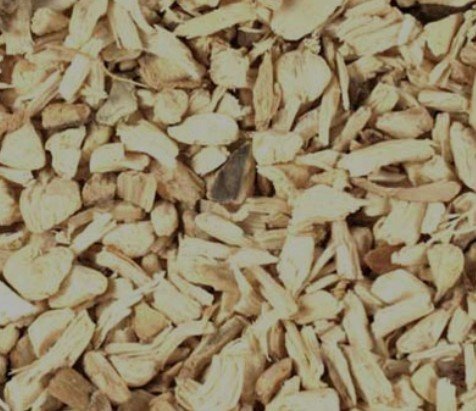
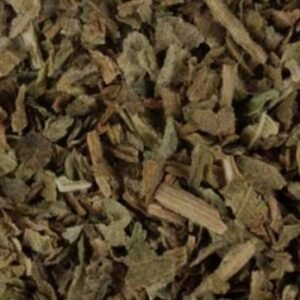
Hydrangea root, typically from Hydrangea arborescens (smooth hydrangea), has a long history of use in traditional Western herbalism, particularly for urinary tract support.
Benefits of Hydrangea Root
1. Urinary Tract Support
Traditionally used to support:
Herbalists have historically used hydrangea root as part of formulas intended to help maintain urinary tract wellness.
2. Traditional Kidney Stone Support
Hydrangea root earned the nickname "stone breaker" in some herbal traditions because it was commonly included in formulas aimed at supporting people prone to kidney or bladder stones.
3. Mild Anti-Inflammatory Properties
Contains compounds that may help soothe irritated tissues, particularly within the urinary system.
4. Antioxidant Activity
Hydrangea root contains plant compounds that may provide antioxidant effects, helping protect cells from oxidative stress.
5. Traditional Prostate Support
Often combined with herbs such as:
for male urinary and prostate health support.
Cautions and Safety
1. Toxicity Concerns
Hydrangea plants contain cyanogenic glycosides, compounds that can release cyanide under certain conditions. Properly prepared herbal products use controlled amounts, but excessive consumption may be dangerous.
2. Digestive Upset
High doses may cause:
3. Pregnancy and Breastfeeding
Avoid use during pregnancy and breastfeeding due to insufficient safety information.
4. Kidney Disease
People with:
should consult a qualified healthcare professional before using hydrangea root.
5. Drug Interactions
Use caution if taking:
6. Allergic Reactions
Individuals sensitive to hydrangeas or related plants may experience:
Typical Traditional Use
Hydrangea root is commonly prepared as:
Traditional herbal doses vary widely depending on preparation and practitioner guidance.
Herbal Pairings
Hydrangea root is often paired with:
Important: While hydrangea root has a long history of traditional use, modern clinical research on its effectiveness is limited. It should not be relied upon as a treatment for kidney stones, urinary tract infections, or kidney disease without medical supervision.

Reviews
There are no reviews yet.