Description
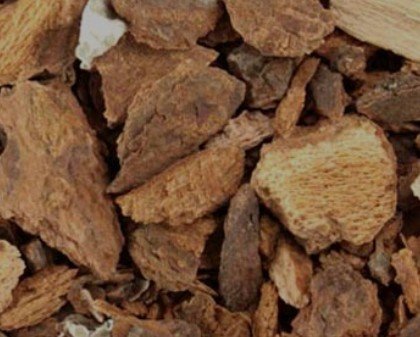
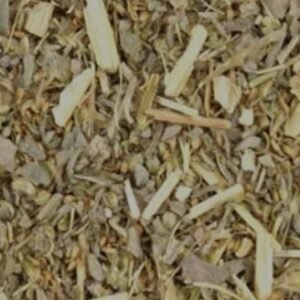
Wild cherry bark comes from the inner bark of the black cherry tree and has been traditionally used in North American herbal medicine, particularly for respiratory support.
Benefits of Wild Cherry Bark
1. Supports Respiratory Health
- Traditionally used to help calm dry, irritating coughs.
- May help reduce the cough reflex and soothe throat irritation.
- Often included in herbal cough syrups and respiratory formulas.
2. Soothes Bronchial Irritation
- Traditionally used for bronchitis, whooping cough, and respiratory inflammation.
- Helps relax irritated respiratory tissues.
3. Mild Sedative Properties
- Historically used to promote relaxation and restful sleep when coughing disrupts rest.
- May help calm nervous tension associated with illness.
4. Digestive Support
- The bitter compounds can stimulate digestion.
- Traditionally used in small amounts to support appetite and digestive comfort.
5. Antioxidant Properties
- Contains plant compounds that may help protect cells from oxidative stress.
Traditional Herbal Actions
- Antitussive (cough suppressant)
- Expectorant
- Bitter tonic
- Mild sedative
- Respiratory relaxant
Common Preparations
- Teas and decoctions
- Syrups
- Tinctures
- Herbal cough formulas
- Lozenges
Cautions and Safety Considerations
⚠️ Cyanogenic Glycosides
Wild cherry bark contains compounds that can release cyanide under certain conditions.
- Only properly dried and prepared bark should be used.
- Fresh bark, leaves, seeds, and wilted foliage can be toxic.
- Avoid harvesting or consuming fresh bark without proper herbal training.
⚠️ Pregnancy and Breastfeeding
- Not generally recommended during pregnancy or breastfeeding due to limited safety data.
⚠️ Children
- Use caution with young children.
- Follow age-appropriate dosing recommendations from qualified healthcare professionals.
⚠️ Excessive Use
Large amounts may cause:
- Nausea
- Dizziness
- Headache
- Digestive upset
- Potential toxicity
⚠️ Medication Interactions
Use caution if taking:
- Sedatives
- Sleep medications
- Respiratory medications
- Cough suppressants
Consult a healthcare provider before combining with medications.
⚠️ Allergies
Individuals allergic to plants in the rose family (Rosaceae) may experience reactions.
Traditional Herbal Tea Recipe for Cough Support
Ingredients
- 1 teaspoon dried wild cherry bark
- 1 cup water
Directions
- Simmer gently for 10–15 minutes.
- Strain.
- Add honey if desired.
- Drink up to 2–3 times daily as needed.
Safety Snapshot
CategoryInformationBotanical NamePrunus serotinaPrimary UsesDry coughs, throat irritation, bronchial supportActionsAntitussive, expectorant, mild sedativePregnancyAvoid unless professionally advisedChildrenUse with cautionParts UsedProperly dried inner barkToxic PartsFresh bark, leaves, seeds, wilted foliageMain ConcernCyanogenic glycosides
Wild cherry bark is most valued as a traditional respiratory herb, particularly for dry, nonproductive coughs and irritated airways, but it should always be used in its properly dried form and with attention to dosage and safety. 🌿🍒

Reviews
There are no reviews yet.