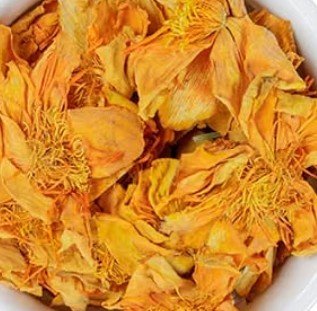
Yellow Lotus (Nelumbo lutea), also called American Lotus, is a water-loving plant native to North America. Its flowers, seeds, leaves, and roots have been used traditionally by various Indigenous peoples and herbal practitioners.
Potential Benefits
1. Antioxidant Support
Yellow lotus contains flavonoids and other plant compounds that may help protect cells from oxidative stress.
2. Relaxation and Calm
Traditional use suggests the flowers may help promote a sense of calm and emotional balance. Some people use lotus flower teas as part of relaxation routines.
3. Digestive Support
The seeds and roots have been used traditionally to support healthy digestion and may provide dietary fiber.
4. Cardiovascular Support
Lotus plants contain compounds that researchers are studying for their potential effects on circulation and cardiovascular wellness.
5. Nutritional Value
The seeds and rhizomes (roots) provide:
6. Traditional Herbal Uses
Historically, various parts of the plant have been used for:
Cautions and Safety Considerations
Pregnancy and Breastfeeding
There is insufficient reliable safety data regarding medicinal amounts of yellow lotus during pregnancy or breastfeeding. Avoid therapeutic use unless advised by a qualified healthcare professional.
Blood Sugar Effects
Lotus may influence blood sugar levels. People with diabetes or those taking blood-sugar-lowering medications should monitor carefully.
Blood Pressure Medications
Some lotus constituents may affect circulation or blood pressure. Use caution if taking:
Sedative Effects
Although generally milder than blue lotus, some individuals report relaxation or mild drowsiness. Use caution:
Allergic Reactions
People sensitive to aquatic plants or members of the lotus family may experience allergic reactions.
Harvesting Concerns
Wild-harvested lotus can accumulate contaminants from polluted water sources. Always obtain material from reputable suppliers.
Traditional Preparation Methods
Tea
Infusion Blend
Often combined with:
Culinary Uses
The seeds and roots may be:
Safety Snapshot
Generally considered: Mild and well tolerated when consumed as a food or tea.
Avoid or use cautiously if you:
For herbal education classes, Yellow Lotus is often presented as a gentle calming herb with nutritional value rather than a strongly medicinal or psychoactive plant.

Reviews
There are no reviews yet.