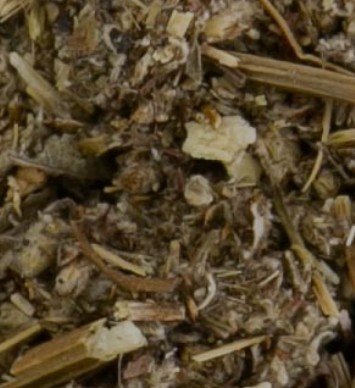
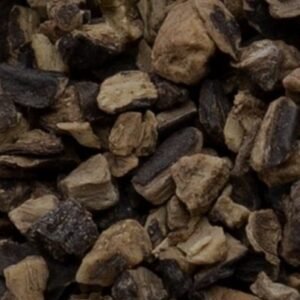
Mugwort (Artemisia vulgaris) is a strongly aromatic, bitter herb with a long history in European, Asian, and North American herbal traditions. It’s useful, but it’s also one of those herbs where dose, pregnancy status, allergies, and duration of use matter.
🌿 Potential benefits of mugwort
Benefit / traditional useHow it’s commonly usedDigestive supportIts bitter compounds may stimulate digestion and appetite and have traditionally been used for sluggish digestion, gas, and bloating.Menstrual supportTraditionally used to encourage menstrual flow and ease menstrual discomfort.RelaxationMugwort tea has traditionally been used as a calming evening herb, although strong clinical evidence is limited.Dream & sleep traditionsMugwort has a long folk reputation for promoting vivid dreams and dream recall. This is traditional use rather than a well-established medical effect.Antioxidant activityMugwort contains flavonoids and other plant compounds with antioxidant activity demonstrated in laboratory research.Traditional antimicrobial useExtracts have demonstrated antimicrobial activity in laboratory studies, but this doesn't establish mugwort as a treatment for infections.MoxibustionMugwort is the herb traditionally burned in moxibustion, a practice associated with East Asian medicine.
⚠️ Important cautions
Pregnancy is the big one: mugwort should generally not be taken internally during pregnancy because of its traditional emmenagogue/uterine-stimulating use and insufficient safety data. People trying to conceive should also get professional guidance before using it medicinally.
Mugwort belongs to the Asteraceae/Compositae family. Someone allergic to ragweed, chrysanthemums, daisies, chamomile, or related plants may also react to mugwort. Mugwort pollen itself is a significant allergen for some people.
Other considerations include:

Reviews
There are no reviews yet.